Mushroom Coffee: The Honest Review of the Fungi Latte
Mushroom coffee promises the focus of caffeine without the jitters, plus brain and immune benefits from fungi with wizard names. The cup costs triple regular coffee — so the question is fair: what does the evidence actually pour? (Info, not medical advice.)

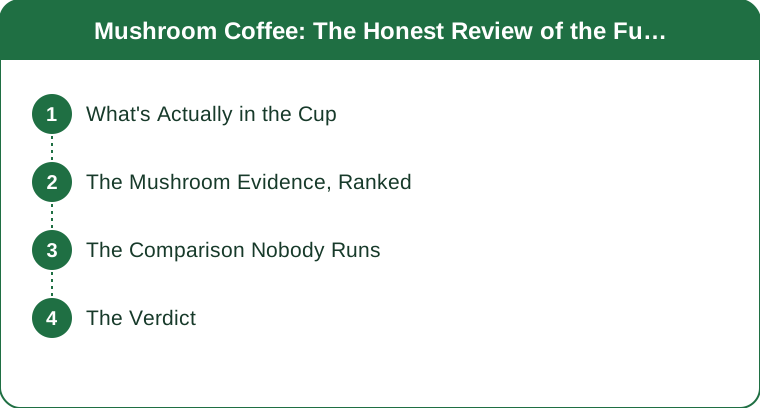
What’s Actually in the Cup
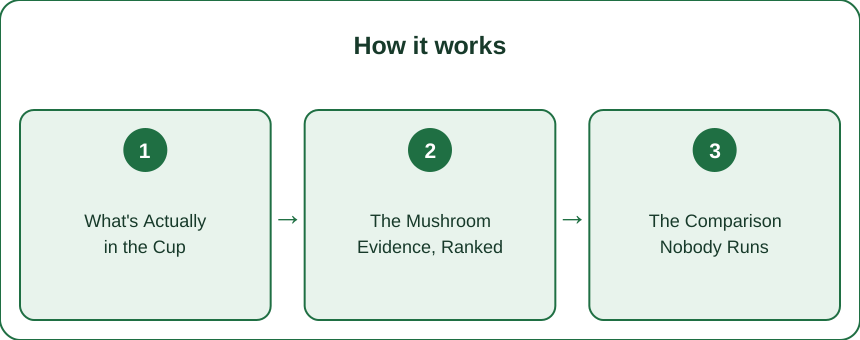
The recipe decoded: mushroom coffee is regular coffee (usually about half-caffeinated) cut with powdered mushroom extracts — most commonly lion’s mane (the focus claim), chaga (the antioxidant claim), cordyceps (the energy claim) and reishi (the calm claim). The immediate honest note: the ‘no jitters’ effect is substantially just… less caffeine — you could achieve it with a half-caf for a fraction of the price.
The Mushroom Evidence, Ranked
The science tour: lion’s mane leads (small human trials show cognitive-support signals — interesting, early, real research happening), cordyceps’ exercise-performance findings are thin and mostly high-dose, reishi’s calming reputation outruns its human trials, and chaga is mostly antioxidant marketing at current evidence. The dose problem compounds everything: trials use grams of extract; a scoop of blended coffee delivers a fraction — the studied effects and the latte’s dose live in different zip codes.

The Comparison Nobody Runs
Mushroom coffee versus plain coffee: regular coffee is itself one of the most-studied beverages alive — with its own respectable literature on alertness, exercise performance and long-term health associations. The honest matchup: proven coffee + unproven-at-this-dose mushrooms, at 3x the price, versus proven coffee alone. If jitters are the issue, half-caf and better sleep are the evidence-based fixes; if lion’s mane intrigues you, a real standardized extract at studied doses beats the latte dusting.
The Verdict
The fair conclusion: mushroom coffee is a pleasant, harmless ritual (the earthy taste is genuinely nice, the warm-drink ceremony has its own value — the tea-ritual effect applies), a poor delivery vehicle for its own headline ingredients, and an expensive way to drink less caffeine. Buy it for the flavor and the morning theater if you enjoy it; buy the actual supplement if you want the mushroom; keep regular coffee without guilt either way — it was never the villain in this story.
Half the caffeine, a fraction of the studied dose, triple the price. Mushroom coffee is a nice ritual wearing a lab coat — enjoy the cup, skip the claims.
Keep Reading
This article is for general informational purposes only and is not medical advice. Always consult a qualified health professional for guidance specific to you.